
Market Insights · Industrial
Why small-bay industrial is its own market
Carolinas Industrial · Q2 2026 · 2 Min Read
Headline vacancy and absorption describe the whole industrial sector. Small-bay and flex answer to different tenants, different construction economics and far more local supply and demand.
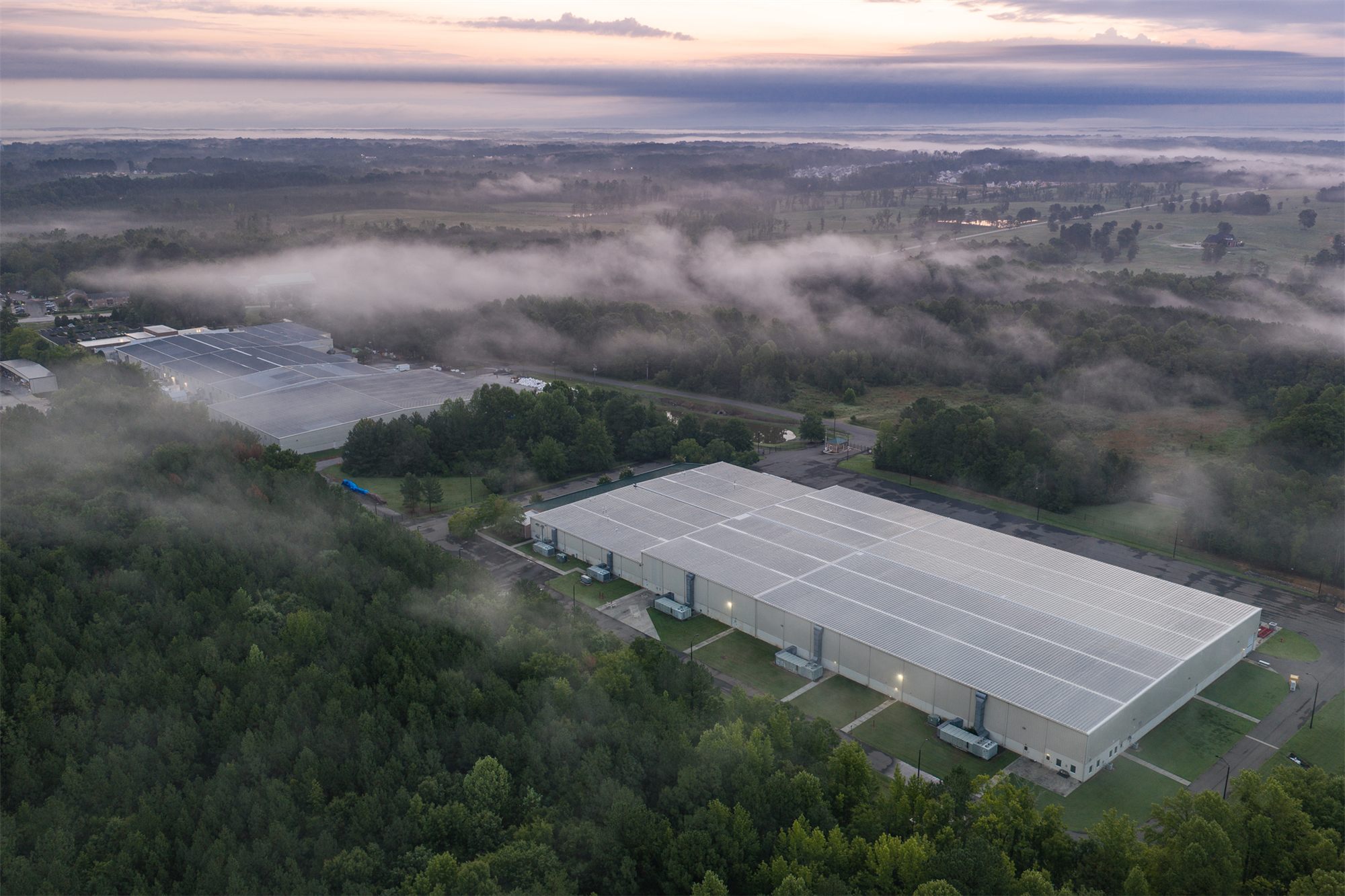
Industrial real estate is usually reported as one market, but it is really several. Bulk distribution, traditional warehouse, flex and small-bay each serve different tenants and follow different development economics.
At the headline level, the second quarter was healthy across the Carolinas. Charlotte’s industrial vacancy was 7.1%, and flex rents kept growing quarter over quarter. Raleigh-Durham absorbed 2.0 million square feet at 7.23% vacancy. Greensboro/Winston-Salem posted 343,000 square feet of positive absorption, and Greenville-Spartanburg vacancy fell to 5.3%.
Those figures are useful context. They do not necessarily describe the fundamentals of smaller industrial assets, which serve a different tenant base and often trade on much more local supply and demand.
Hard to build, hard to replace
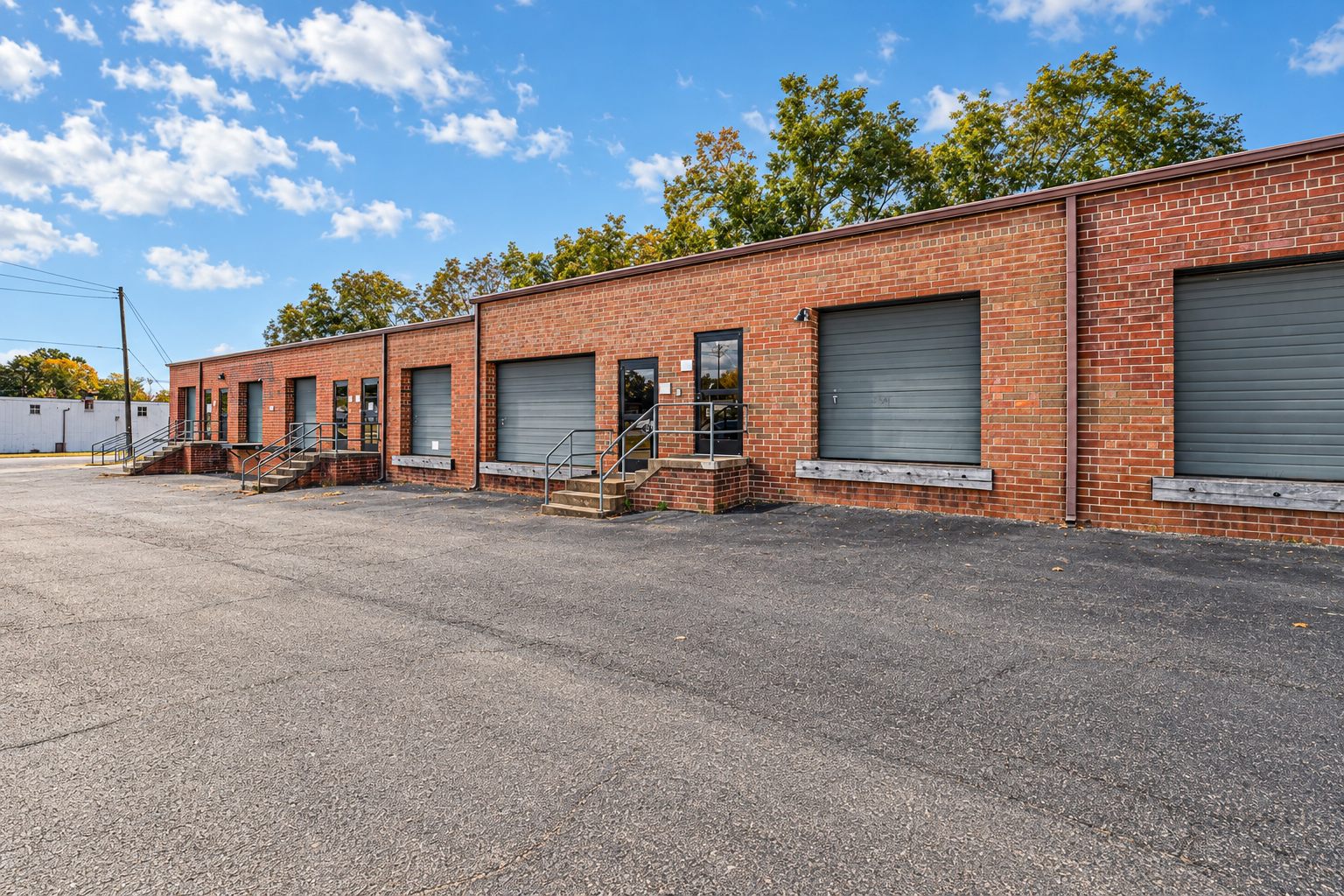
New industrial development frequently favors larger buildings, and the reason is cost. A small-bay project needs more demising walls, storefronts, bathrooms, HVAC systems, meters, drive-in doors and parking per square foot. The smaller the suites, the harder the economics.
So a market can carry millions of square feet under construction without meaningfully adding competing small-bay space. Raleigh-Durham had 5.6 million square feet under construction in the second quarter, and CBRE reported a 3.9-million-square-foot pipeline in the Triad.
A market can carry millions of square feet under construction without meaningfully adding competing small-bay space.
A tenant base that looks like the local economy
Small-bay tenants are contractors, HVAC companies, electricians, plumbers, building suppliers, automotive businesses, local distributors, service companies, light manufacturers, e-commerce businesses and regional operators. Demand does not hinge on landing a handful of large logistics users.
The drivers differ by market. The Triangle runs on population growth, life sciences, advanced manufacturing and technology. Charlotte leans on construction, logistics, services and manufacturing along I-77 and I-85. In the Triad, advanced manufacturing and aerospace lead, and Greensboro/Winston-Salem vacancy fell 190 basis points year over year to 7.1%. Greenville-Spartanburg is built on automotive manufacturing, its suppliers and Inland Port Greer. In Charleston, Colliers identifies flex and small-bay as the strongest-performing industrial segment.
Why investors want it
The appeal is structural. Income is spread across many tenants instead of one or two. Smaller tenants and shorter leases create more frequent chances to mark rents to market. Vacancy is granular: losing a 2,500-square-foot tenant in a 50,000-square-foot park is a very different event from losing the only tenant in a 50,000-square-foot building. Because small tenants budget by total monthly cost rather than the quoted rate, smaller spaces can command higher rents per square foot. And in infill locations, where land and construction costs limit new supply, lease-up, recoveries, renewals and professional management become real levers on NOI.
For owners and buyers in the middle market, that is the point. The comparables that matter are suite-level rents and local sales, not the sector average.
Sources: Q2 2026 industrial market reports; CBRE (Triad pipeline); Colliers (Charleston).