
Market Insights | Bryant Capital Advisors

Bryant Capital Advisors

Market Insights

Notable Case Studies

Closings worth a closer look

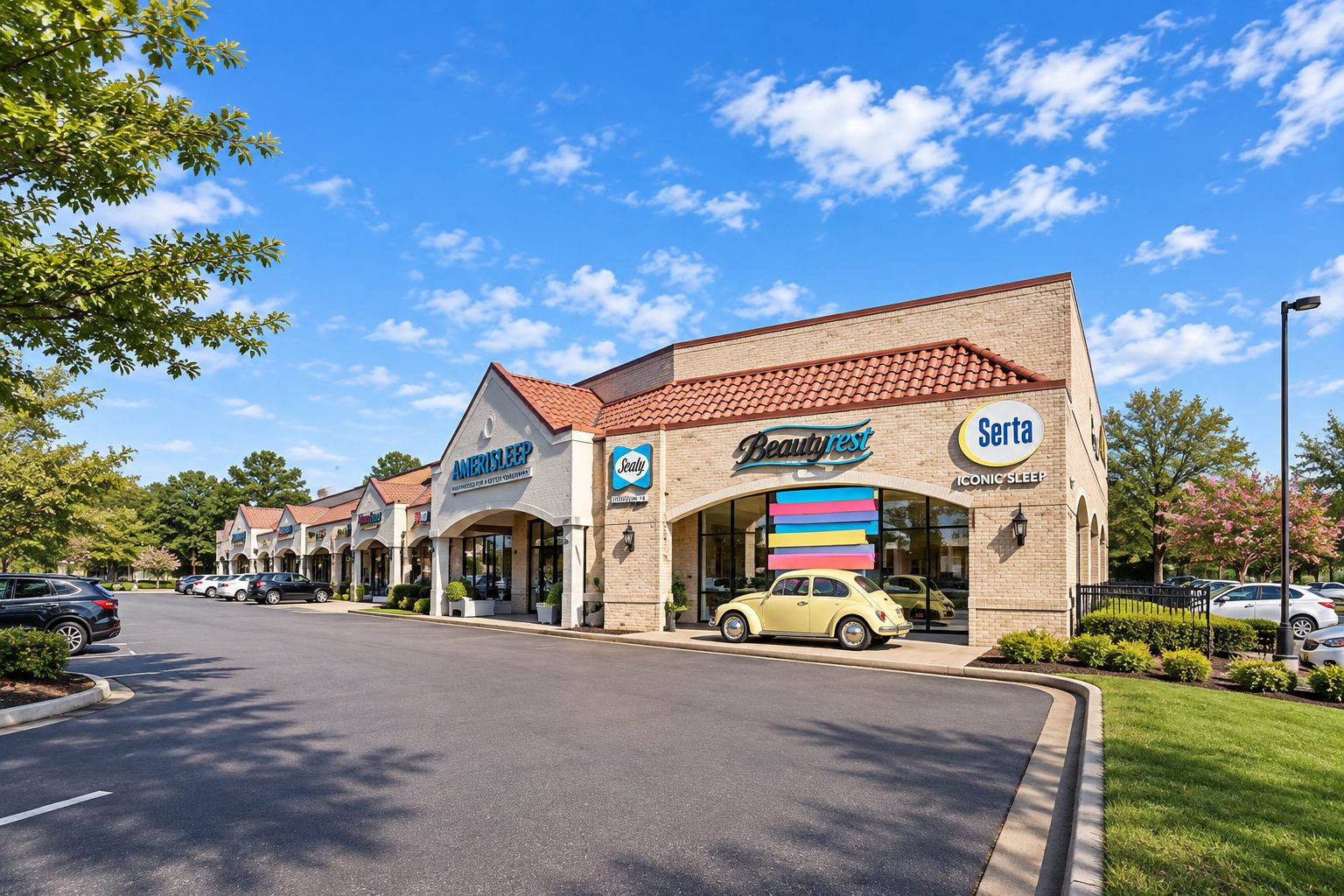
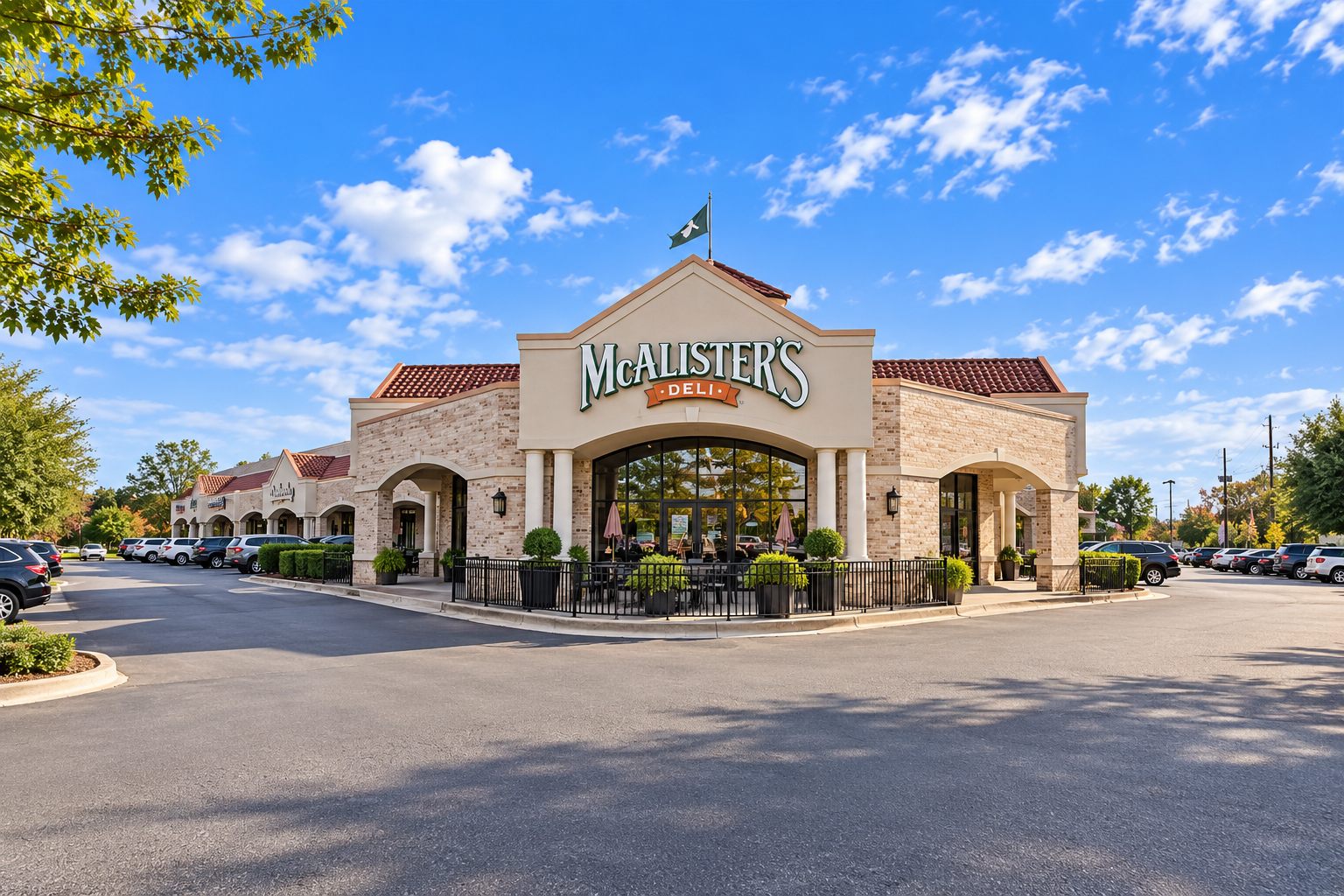
Pirate's Pointe Shopping Center

37,209 SF · Greenville, NC · Pitt County
37,209 SF · Greenville, NC · Pitt County
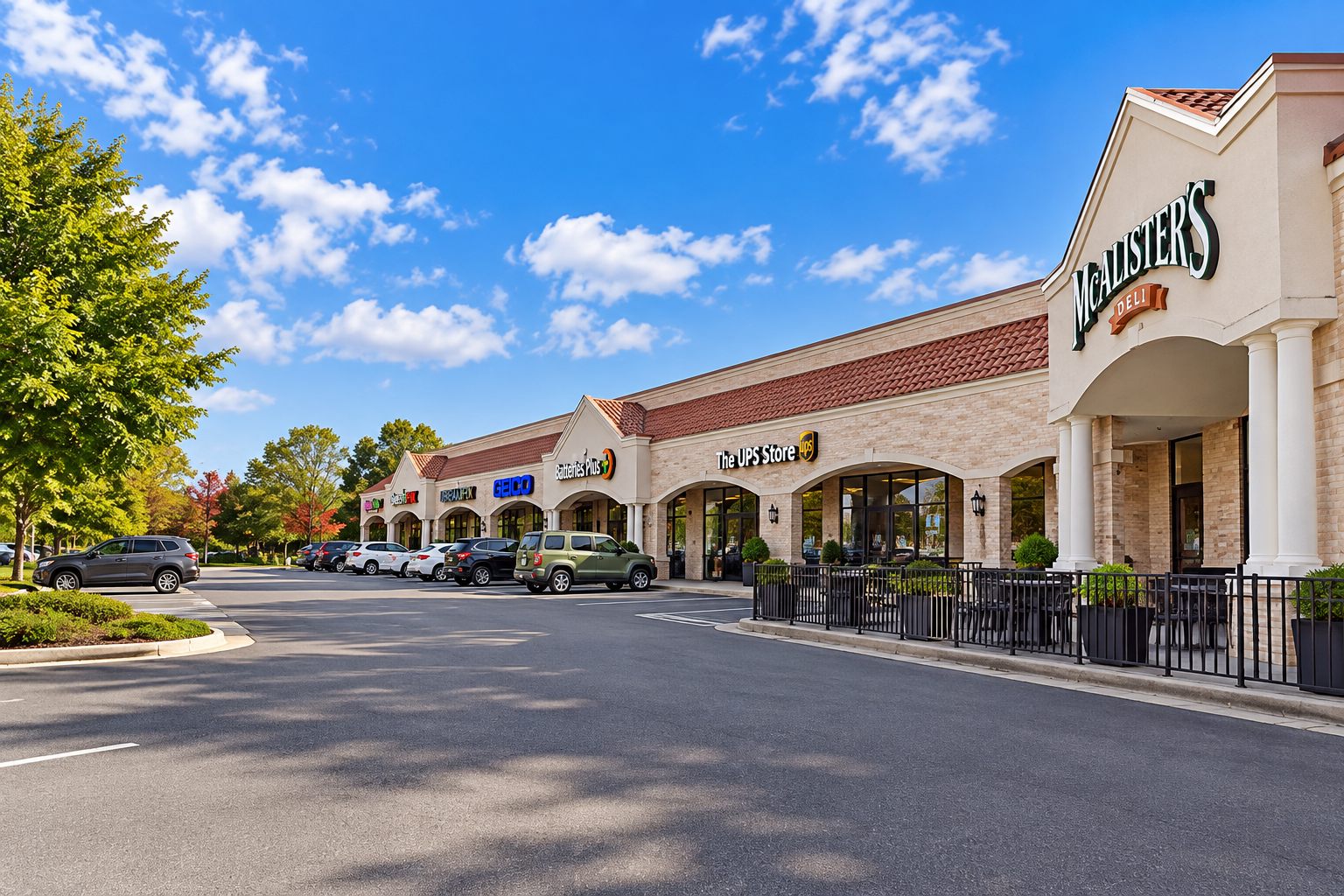
National credit tenancy at a shopping-center record $311 PSF

Sold: September 2026

Pirate's Pointe Shopping Center is a 37,209 square foot multi-tenant retail center on 3.07 acres along Greenville Boulevard, the market's primary retail corridor, positioned less than one mile from East Carolina University and the ECU Health medical district.

Bryant Capital Advisors underwrote the offering on the credit quality and durability of the rent roll, featuring eleven national and regional tenants including McAlister's Deli, The UPS Store, Batteries Plus, GEICO, Sweet Frog and uBreakiFix. The asset's location within Greenville's established retail corridor, supported by strong surrounding demographics, traffic and continued growth across the Greenville MSA, further strengthened the investment profile.

BCA marketed the asset through a deep network of institutional and private capital relationships, generating competitive tension that resulted in a closing at $311 per square foot — the highest price per square foot recorded for shopping center retail in the Greenville MSA since 2021.

CONTACT US
$311 PSF
Shopping Center Record
3.07 Acres
Site Area
11 Tenants
National & Regional
40,000
Vehicles Per Day
Why It Worked
01

A university and a health system next door

East Carolina University enrolls 28,798 students alongside 5,600 faculty and staff, and ECU Health — the only Level I trauma center east of I-95 — employs 13,600 more, all inside a mile. Daytime demand that does not follow a retail cycle.

02

A rent roll built on daily needs

Eleven national and regional tenants — McAlister's Deli, The UPS Store, GEICO, Batteries Plus, Sweet Frog, uBreakiFix — weighted toward food, shipping, insurance and repair. Uses that bring the same customers back every week.

03

A corner that cannot be rebuilt

Greenville Boulevard is fully built out through its retail core, so capital chasing the corridor competes for the positions that already exist. This one holds the signalized hard corner at Charles Boulevard, with 40,000 vehicles a day.
37,209 SF 3.07 Acres 11 National & Regional Tenants < 1 Mile to ECU Greenville MSA

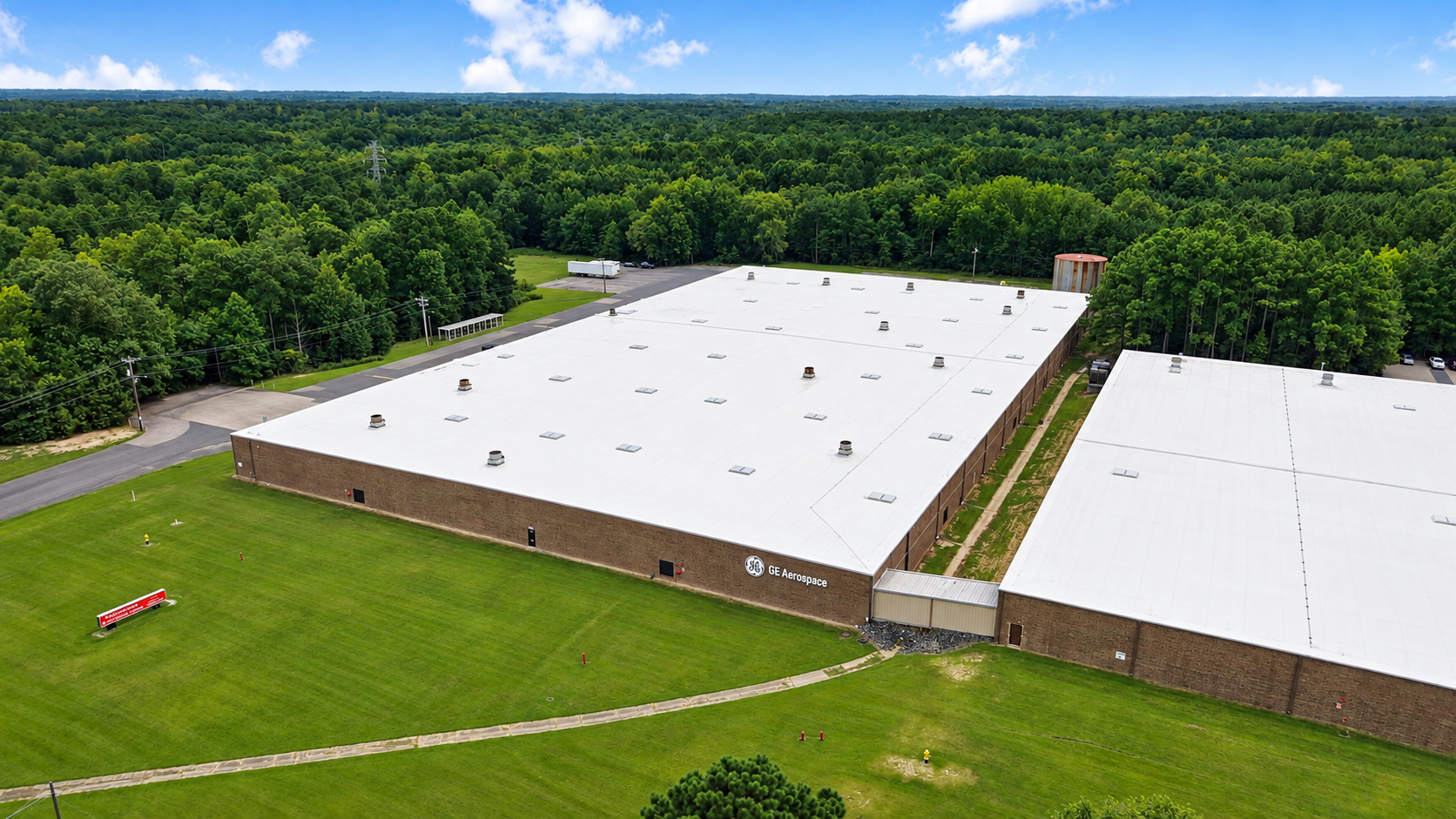
Creedmoor Business Park

285,000 SF · Creedmoor, NC · Raleigh-Durham MSA

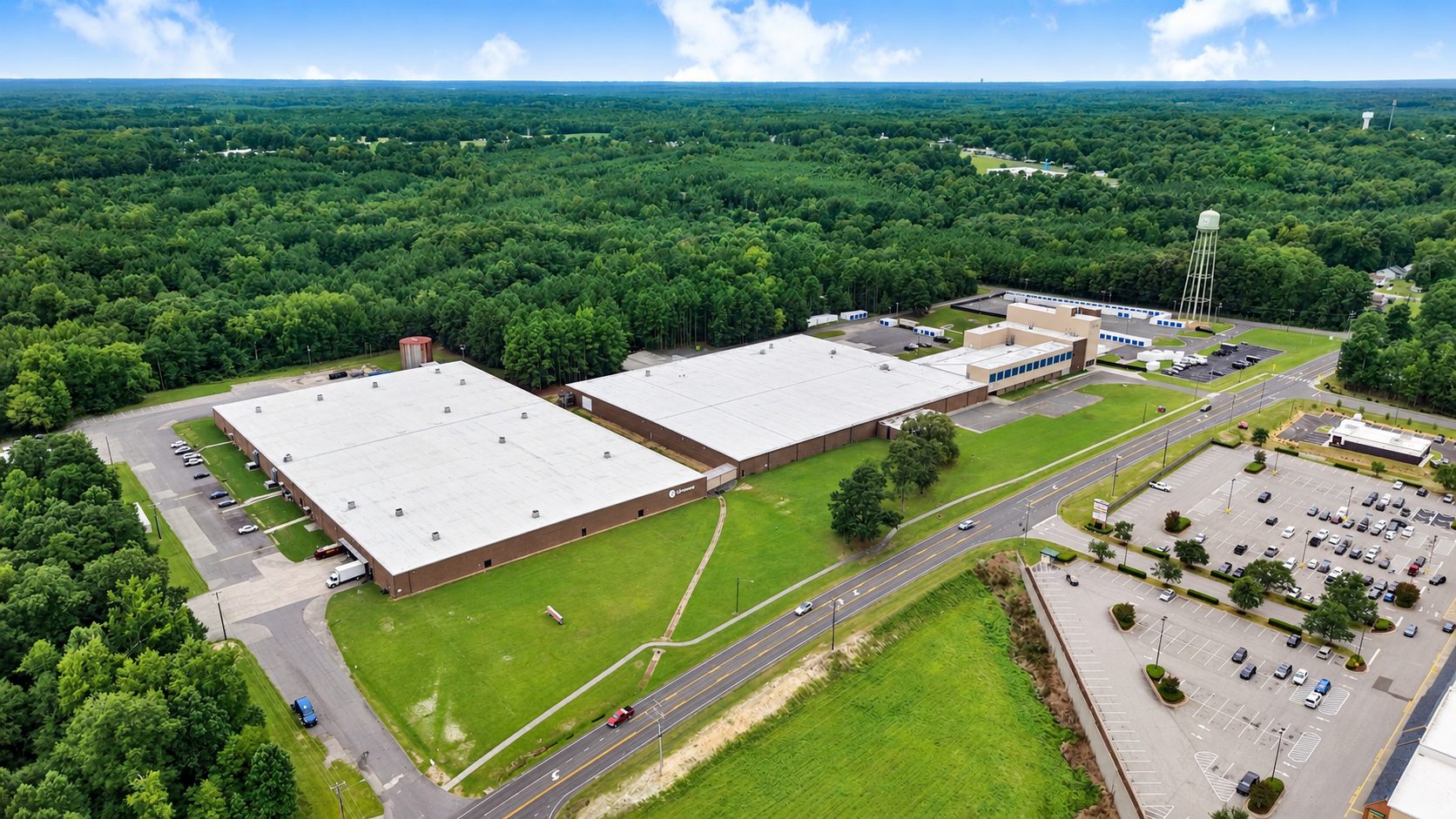
285,000 SF · Creedmoor, NC · Raleigh-Durham MSA

Institutional credit in a corridor with no new supply

Sold: September 2026

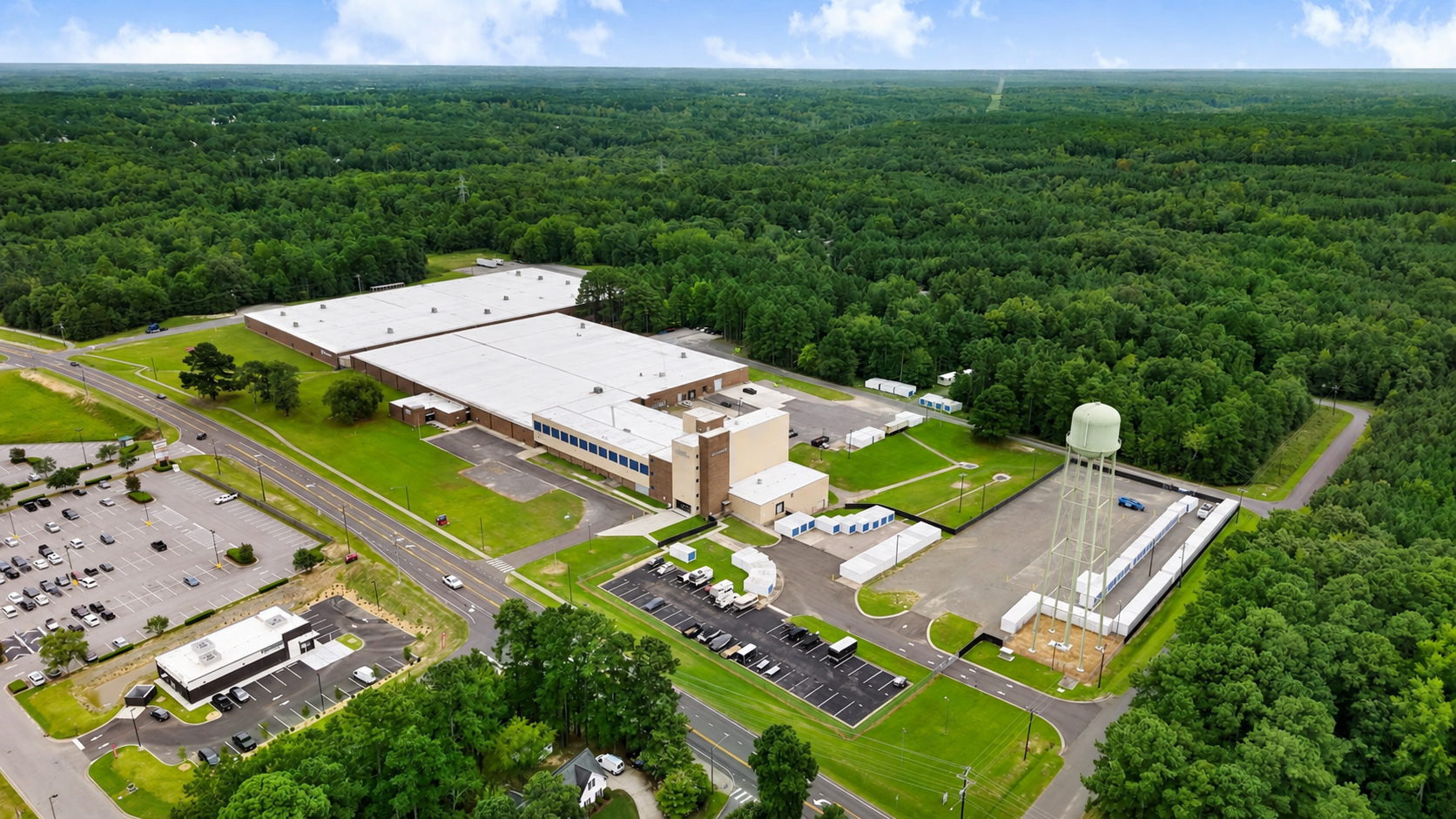
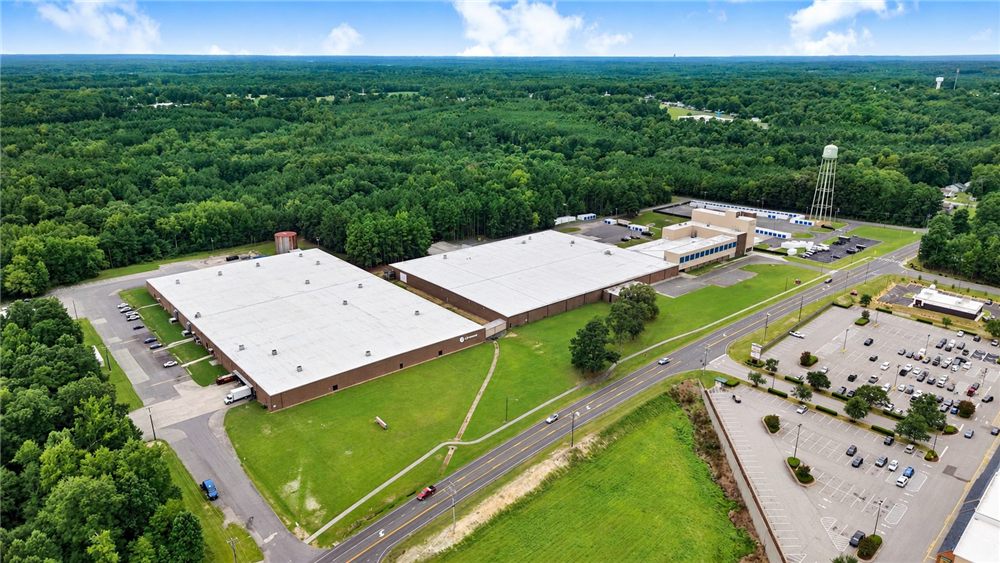
Two buildings totaling 285,000 square feet on NC Hwy 56, positioned between US-15 and I-85 with direct connectivity to Research Triangle Park, Durham, and RDU International. The park sits in a supply-constrained submarket with sub-5% vacancy and no new construction within five miles of the property.

The asset transacted 100% leased to a diversified roster of six tenants on triple-net terms, anchored by institutional-grade credit including AISIN — a Toyota subsidiary and Global Fortune 500 company — and General Electric. Contractual escalations of 3%+ across the roll, staggered expirations through 2033, and in-place rents well below prevailing market levels gave the buyer both day-one income and a clear mark-to-market path.

Off-Market
Acquisition
Value-Add
Industrial
6 Tenants
8 Leases
100% NNN
Lease Structure
Why It Worked
01

A corridor with no new supply

Sub-5% submarket vacancy and no new construction within five miles of the park — scarcity that protects occupancy and gives rents room to run.

02

Credit that underwrites itself

AISIN, a Toyota subsidiary and Global Fortune 500 company, alongside General Electric — institutional-grade tenants on triple-net terms across all 285,000 square feet.

03

Rent upside already embedded

Contractual escalations of 3%+ across the roll and staggered expirations through 2033, with in-place rents well below market — day-one income plus a clear mark-to-market path.

285,000 SF 2 Buildings 8 Units 100% Occupied at Close Raleigh-Durham MSA

Perspectives

What we are seeing in the market

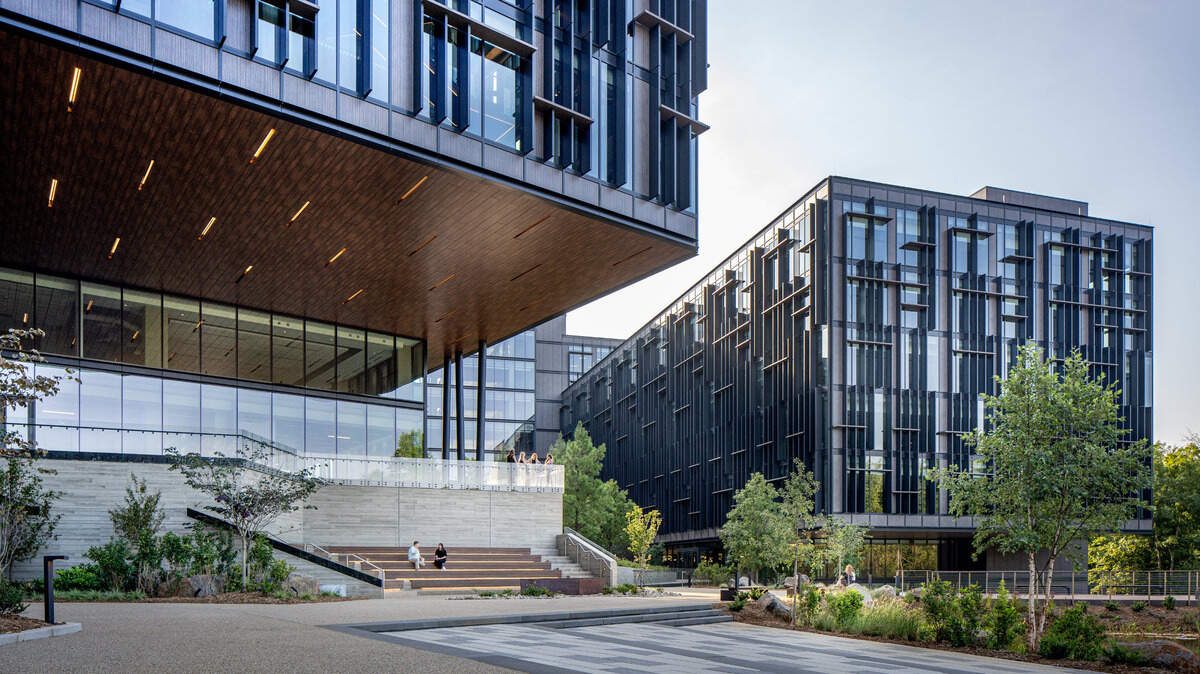
Vanguard's office campus in University City, Charlotte, North Carolina

Market Insights · Economic Drivers

Major employers anchor University City

Charlotte, NC · I-85 / I-485 Corridor · 2 Min Read

Two large corporate campuses and new research investment at UNC Charlotte support a deep, growing employment base in northeast Charlotte.

University City sits in northeast Charlotte along the I-85 and I-485 corridor. Its employment base rests on two layers: corporate campuses that have been in place for years, and a newer wave of research investment centered on UNC Charlotte.

Two large corporate campuses

Wells Fargo employs about 10,000 people at its University City campus and continues to invest in the facilities there. That is a commitment of capital to the location, not only a headcount.

Vanguard has 3,000 employees in University City, consolidated on a campus it owns: 700,000 square feet on 91 acres. An owned campus of that size ties a company to a submarket in a way a lease does not.

Between them, the two companies account for roughly 13,000 jobs in University City today. Both have chosen to concentrate people here rather than spread them across the region.

The employers here have put capital into the ground, not just people in seats.

New investment at UNC Charlotte

Honeywell is building a 155,000-square-foot innovation hub at UNC Charlotte. It is scheduled to open in 2027 and is backed by a $10 million gift.

The university is also leading a National Science Foundation Engine focused on grid modernization, with up to $160 million in funding. The engine is projected to support 20,000 jobs.

Both are commitments with long horizons. A building scheduled for 2027 and a multi-year federal research program are not short-term bets. They add engineering and energy work to an employment base that has been led by financial services, and the engine’s projected 20,000 jobs would exceed the two corporate campuses combined.

What it means for owners

Large employers create demand well beyond their own buildings. Their employees need housing, retail, services and healthcare nearby, and the contractors, suppliers and service companies that work with them want space close at hand. Research programs draw companies that want to work alongside them.

For owners and investors in University City, the point is durability. Demand here does not hinge on a single company or a single industry, and the largest employers have tied themselves to the area with owned campuses, ongoing facility investment and new construction. That is the kind of tenant base buyers look for when they ask how lasting a submarket's demand will be.

Sources: UNC Charlotte; Honeywell; University City Partners; Charlotte Business Journal. Photo: The Charlotte Observer.

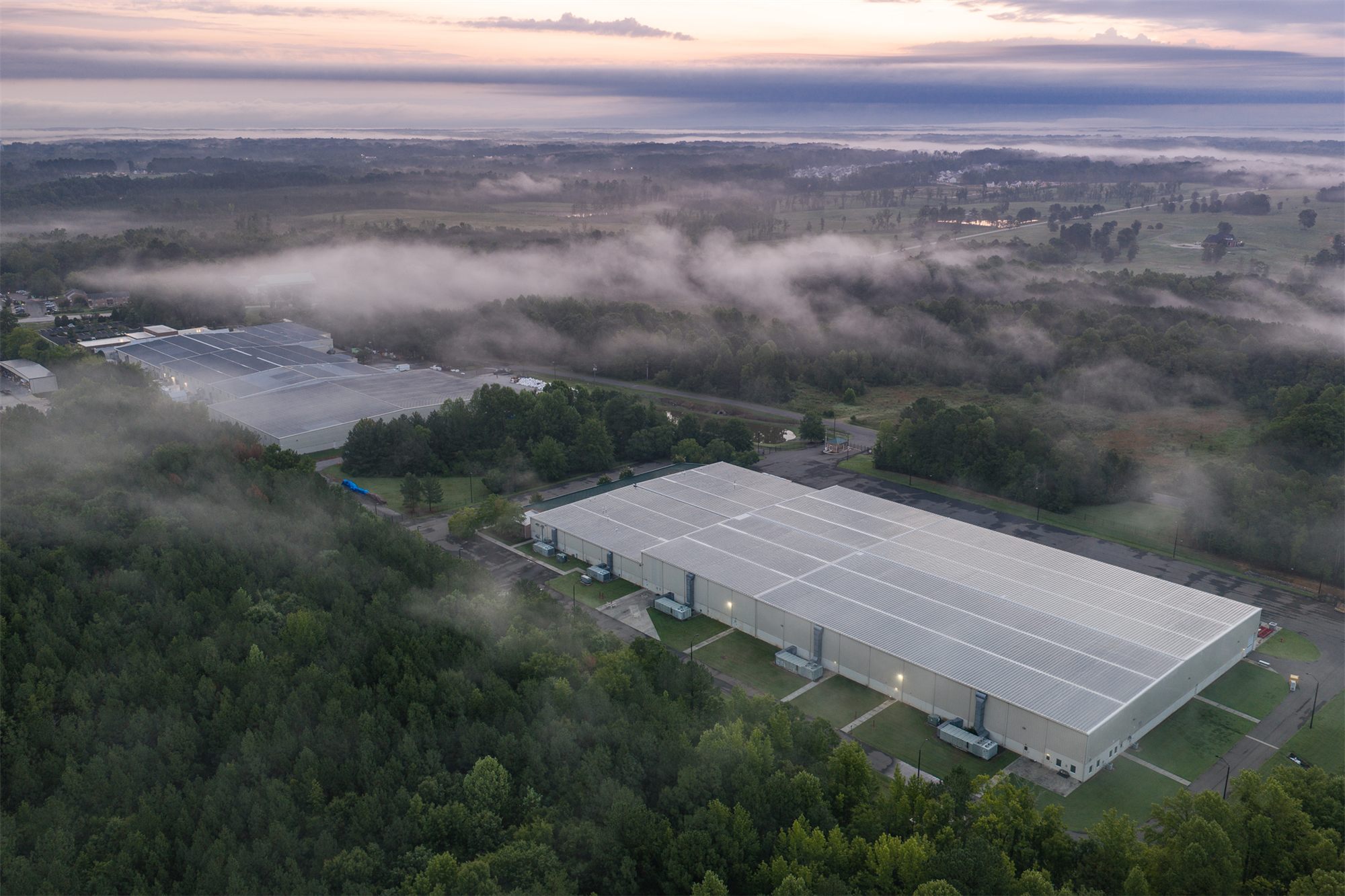
Aerial view of Oxford Industrial Park at dawn Pictured: Oxford Industrial Park, 334,987 SF · coming soon
Market Insights · Capital Markets

Investors are finding our business parks

4 Business Parks · 934K SF · 2 Min Read

Four recent business-park sales drew buyers from New York, Greensboro and Germany. Demand for this product is no longer regional.

Aerial view of Creedmoor Business Park in Creedmoor, North Carolina
Creedmoor Business Park, 285,000 SF in Creedmoor, NC, sold to New York institutional capital.

Our last four business-park dispositions totaled roughly 934,000 square feet across North Carolina and Alabama. The buyers could hardly have been more different: a Carolinas operator, New York institutional capital, and a German investor buying through Atlanta.

Institutional capital, outside the gateway markets

Two of the four went to New York institutional buyers: Creedmoor Business Park, 285,000 square feet in Creedmoor, and Mumford Business Park, 118,000 square feet in Greenville. Neither sits in a major gateway market.

Creedmoor shows what that buyer was underwriting. The park traded 100% leased on triple-net terms to six tenants, anchored by AISIN, a Toyota subsidiary and Global Fortune 500 company, and General Electric. Leases carried escalations of 3% or more, expirations were staggered through 2033, and in-place rents sat below market, in a submarket with sub-5% vacancy and no new construction within five miles. Durable credit, embedded rent growth and scarce competing supply are exactly what institutional capital is built to find.

The local buyer still wins

The 260,000-square-foot park at 5398 MLK Boulevard in Greenville sold to an operator based in Greensboro. A wider field of bidders did not shut the local buyer out. Regional operators bring first-hand knowledge of the tenants and the submarket, and a readiness to handle leasing, renewals and day-to-day management themselves. That still carries weight when the bids come in.

Capital from overseas

Damsky Business Park, 221,000 square feet in Birmingham, Alabama, went to a German investor buying through Atlanta: European capital acquiring a Southeast business park. It is a reminder that the buyer pool for this product now reaches beyond the region, and beyond the country.

The likely buyer for a well-leased business park may not be down the road.

What it means for owners

Taken together, the four sales make a simple point. The likely buyer for a well-leased business park may not be down the road. It could be an institution in New York or an investor in Germany.

Those buyers price risk differently, and each needs the rent roll, tenant credit and submarket laid out clearly before committing capital. A sale marketed only to the usual local names risks leaving them out of the room. Putting institutional, local and international capital in front of the same asset is what creates competitive tension.

Source: Bryant Capital Advisors transaction records.

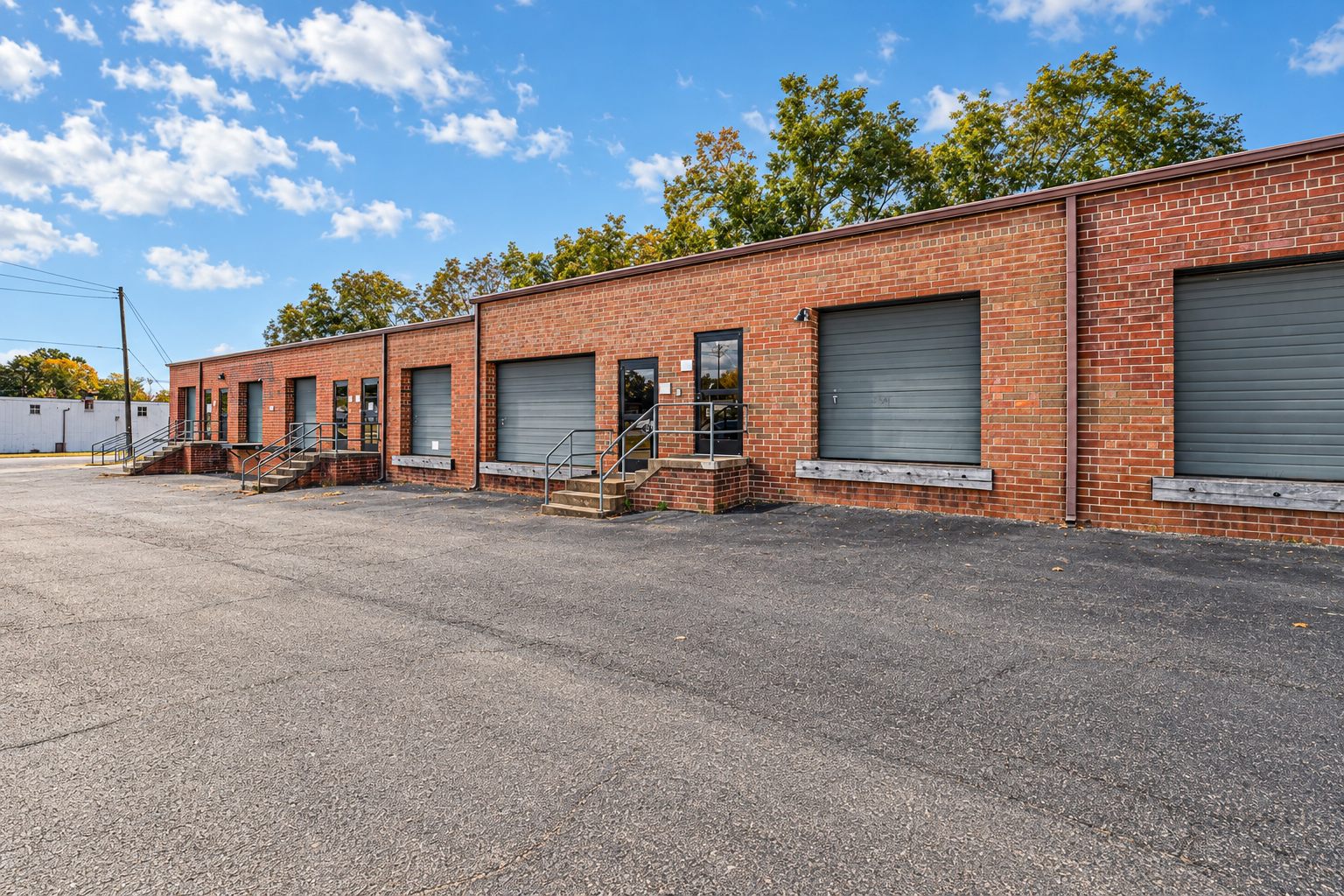
Brick small-bay industrial building with drive-in doors at 3240 Highland Avenue

Market Insights · Industrial

Why small-bay industrial is its own market

Carolinas Industrial · Q2 2026 · 2 Min Read

Headline vacancy and absorption describe the whole industrial sector. Small-bay and flex answer to different tenants, different construction economics and far more local supply and demand.

Industrial real estate is usually reported as one market, but it is really several. Bulk distribution, traditional warehouse, flex and small-bay each serve different tenants and follow different development economics.

At the headline level, the second quarter was healthy across the Carolinas. Charlotte’s industrial vacancy was 7.1%, and flex rents kept growing quarter over quarter. Raleigh-Durham absorbed 2.0 million square feet at 7.23% vacancy. Greensboro/Winston-Salem posted 343,000 square feet of positive absorption, and Greenville-Spartanburg vacancy fell to 5.3%.

Those figures are useful context. They do not necessarily describe the fundamentals of smaller industrial assets, which serve a different tenant base and often trade on much more local supply and demand.

Hard to build, hard to replace

New industrial development frequently favors larger buildings, and the reason is cost. A small-bay project needs more demising walls, storefronts, bathrooms, HVAC systems, meters, drive-in doors and parking per square foot. The smaller the suites, the harder the economics.

So a market can carry millions of square feet under construction without meaningfully adding competing small-bay space. Raleigh-Durham had 5.6 million square feet under construction in the second quarter, and CBRE reported a 3.9-million-square-foot pipeline in the Triad.

A market can carry millions of square feet under construction without meaningfully adding competing small-bay space.

A tenant base that looks like the local economy

Small-bay tenants are contractors, HVAC companies, electricians, plumbers, building suppliers, automotive businesses, local distributors, service companies, light manufacturers, e-commerce businesses and regional operators. Demand does not hinge on landing a handful of large logistics users.

The drivers differ by market. The Triangle runs on population growth, life sciences, advanced manufacturing and technology. Charlotte leans on construction, logistics, services and manufacturing along I-77 and I-85. In the Triad, advanced manufacturing and aerospace lead, and Greensboro/Winston-Salem vacancy fell 190 basis points year over year to 7.1%. Greenville-Spartanburg is built on automotive manufacturing, its suppliers and Inland Port Greer. In Charleston, Colliers identifies flex and small-bay as the strongest-performing industrial segment.

Why investors want it

The appeal is structural. Income is spread across many tenants instead of one or two. Smaller tenants and shorter leases create more frequent chances to mark rents to market. Vacancy is granular: losing a 2,500-square-foot tenant in a 50,000-square-foot park is a very different event from losing the only tenant in a 50,000-square-foot building. Because small tenants budget by total monthly cost rather than the quoted rate, smaller spaces can command higher rents per square foot. And in infill locations, where land and construction costs limit new supply, lease-up, recoveries, renewals and professional management become real levers on NOI.

For owners and buyers in the middle market, that is the point. The comparables that matter are suite-level rents and local sales, not the sector average.

Sources: Q2 2026 industrial market reports; CBRE (Triad pipeline); Colliers (Charleston).

Monthly Newsletters

Coming soon

A monthly look at Sunbelt markets. We examine the trends, pricing, and capital moving through the middle market and why it matters to our clients. The first issue is on its way.